
It’s been twelve months since disposable vapes were banned from legal UK sale. The first major one-year survey data is in and it tells a more nuanced story than either side of the argument predicted.
The Headline Numbers
On 1 June 2025, the UK government made it illegal to sell, supply or stock single-use disposable vapes. One year on, new YouGov data commissioned by Action on Smoking and Health (ASH) and published on 29 May 2026 shows the ban has had a dramatic effect on reported product use — particularly among young people.
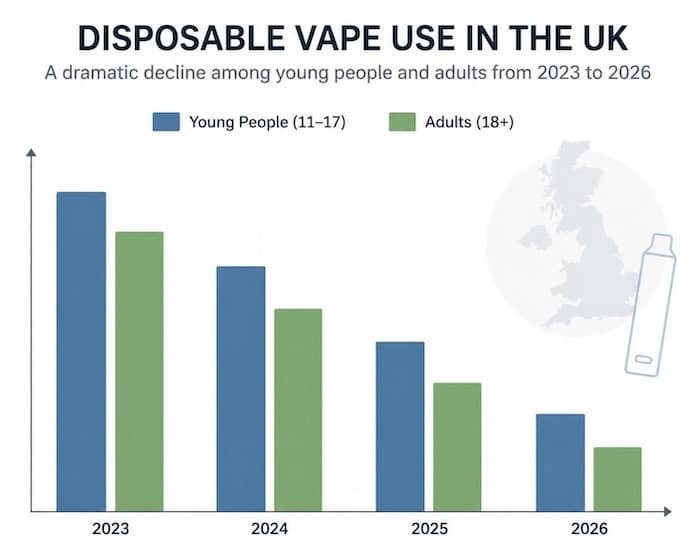
Among 11–17-year-olds who vape, just 13% now say they mainly use disposable vapes. That’s down from 42% in 2025 before the ban came into force, and a long way from the 69% peak recorded in 2023 when disposables were at their most prevalent.
The picture for adults is similarly striking. Among adults who vape, only 8% now mainly use disposables — down from 24% in 2025 and a peak of 31% in 2023.
The methodology is robust for a public survey: the adult figures come from a YouGov survey of 13,259 adults conducted between February and March 2026, weighted to be representative of all GB adults aged 18 and over.
The youth data comes from a separate YouGov poll of 2,926 11–17-year-olds, conducted April to May 2026.
What Happened to the Market
 The immediate market impact was sharp.
In the first week after the ban, convenience stores lost over £5 million in vape revenue as weekly sales dropped from around £23 million to £17.8 million, according to retail data from Serve Legal citing Talysis and CD:UK figures from July 2025. Scotland saw the steepest drop, losing 36% of vape revenue in that first week.
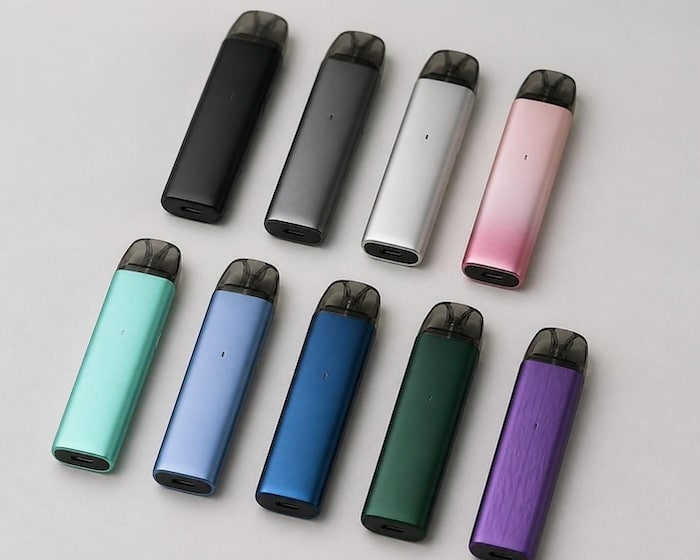
But the market didn’t collapse — it shifted. Sales of smaller 2ml reusable vapes rose by 11% in the weeks immediately after the ban, and manufacturers quickly repositioned products to fill the gap left by disposables.
Pod systems and prefilled rechargeable devices — essentially doing a similar job but in a reusable format — have grown quickly in the convenience channel.
Reuse behaviour among those who switched is broadly positive too. The ASH data shows 60% of adult vapers report reusing their products, with 46% reusing ten times or more.
However, a notable 18% of adult vapers say they rarely or never reuse their devices — still treating products as single-use despite the ban. Whether that reflects ongoing black market access or simply a habit of discarding rechargeable products prematurely isn’t clear from the data.
The Enforcement Question
The ban’s early weeks were not clean. Serve Legal’s retail data showed over £1 million worth of banned disposable vapes were still sold in UK convenience stores during the first full week post-ban — week ending 8 June 2025.
In Yorkshire alone, disposables still accounted for 18% of vape revenue that week.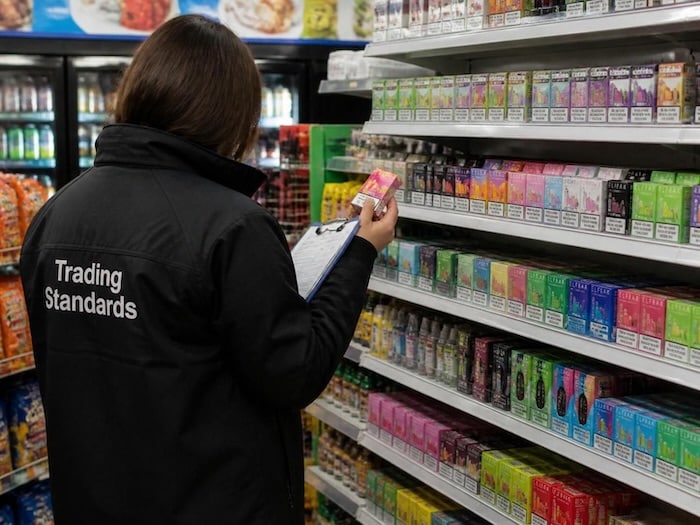
Enforcement varies across the UK’s four nations. In England, Trading Standards leads local enforcement, with civil sanctions including a £200 fine, and persistent offenders can face an unlimited fine or up to two years in prison.
Comprehensive national enforcement data for the full twelve months has not yet been published, making it difficult to assess how consistently the ban has been policed across different regions.
What ASH Says
Hazel Cheeseman, Chief Executive at Action on Smoking and Health, said:
“The sharp decline in disposable vape use is encouraging and suggests the policy is having an impact in driving people towards reusable products.
While some people are clearly still treating products as disposable the law change is also driving people towards regular reuse.”
The Unresolved Question: Youth Smoking
There is one figure in the ASH data that warrants serious attention and shouldn’t get lost in the positive headline numbers. The 2025 ASH Smokefree GB Youth Survey found that ever-smoking among young people rose from 14% in 2023 to 21% in 2025.
That rise happened in the years leading up to the disposable vape ban, rather than after a full year of the ban, so it should not necessarily be treated as evidence that the ban caused youth smoking to rise.
But it does raise a question the harm reduction community warned about before the ban was proposed: if vaping becomes less accessible, could some young people shift towards cigarettes instead?
The current data does not prove that is happening, and the picture is complex — smoking rates among young people are influenced by many factors.
But it’s a finding that demands scrutiny, and one that public health bodies, the government and the vaping industry should be tracking closely as the second year of the ban unfolds.
EcigClick View
A year in, the ban appears to have delivered on one of its core objectives: sharply reducing reported disposable vape use.
Disposable vapes have been largely removed from the legal market, the shift to reusables happened faster than many expected, and the youth data shows a dramatic fall in disposable use. On those metrics, it’s hard to argue it hasn’t had an effect.
The concern — and it’s a real one — is the uptick in youth smoking recorded in the years leading up to the ban. If restrictions on vaping access contribute to that kind of trend at all, even marginally, the public health calculation gets complicated very quickly. Regulators need to be watching this closely.
For adult vapers who made the switch to reusables, life has largely carried on. The range is better than it was, prices at the rechargeable end remain reasonable for now, and quality has improved.
That changes in October when the Vaping Products Duty lands — but that’s a story for another day.
Sources
- ASH — Disposable vape use falls sharply during the first year of the ban (29 May 2026)
- ASH — Use of vapes among young people in Great Britain (2025 survey)
- GOV.UK — Single-use vapes ban: information for businesses
- GOV.UK — Single-use vapes banned from 1 June 2025 (DEFRA press release)
- Serve Legal — The Impact of the UK Disposable Vape Ban on Sales and Compliance Since June 1st (July 2025)